A group of former AAU basketball coaches had a vision.
Years earlier, they had formed a nonprofit organization with the goal of creating opportunities for young athletes and underserved communities.
Like many volunteer-led organizations, life happened.
Careers became demanding.
Families required attention.
Day jobs took priority.
Over time, the organization slowly drifted into dormancy.
For nearly two years there was little activity.
No meaningful fundraising.
No active revenue.
No functioning board of directors.
Several corporate formalities remained unfinished.
The vision was still there.
The organization simply lacked the time, structure, and operational support necessary to move forward.
The Fear Behind Most Consulting Engagements
When they first spoke with L&R Press, they shared a concern we hear frequently from prospective clients.
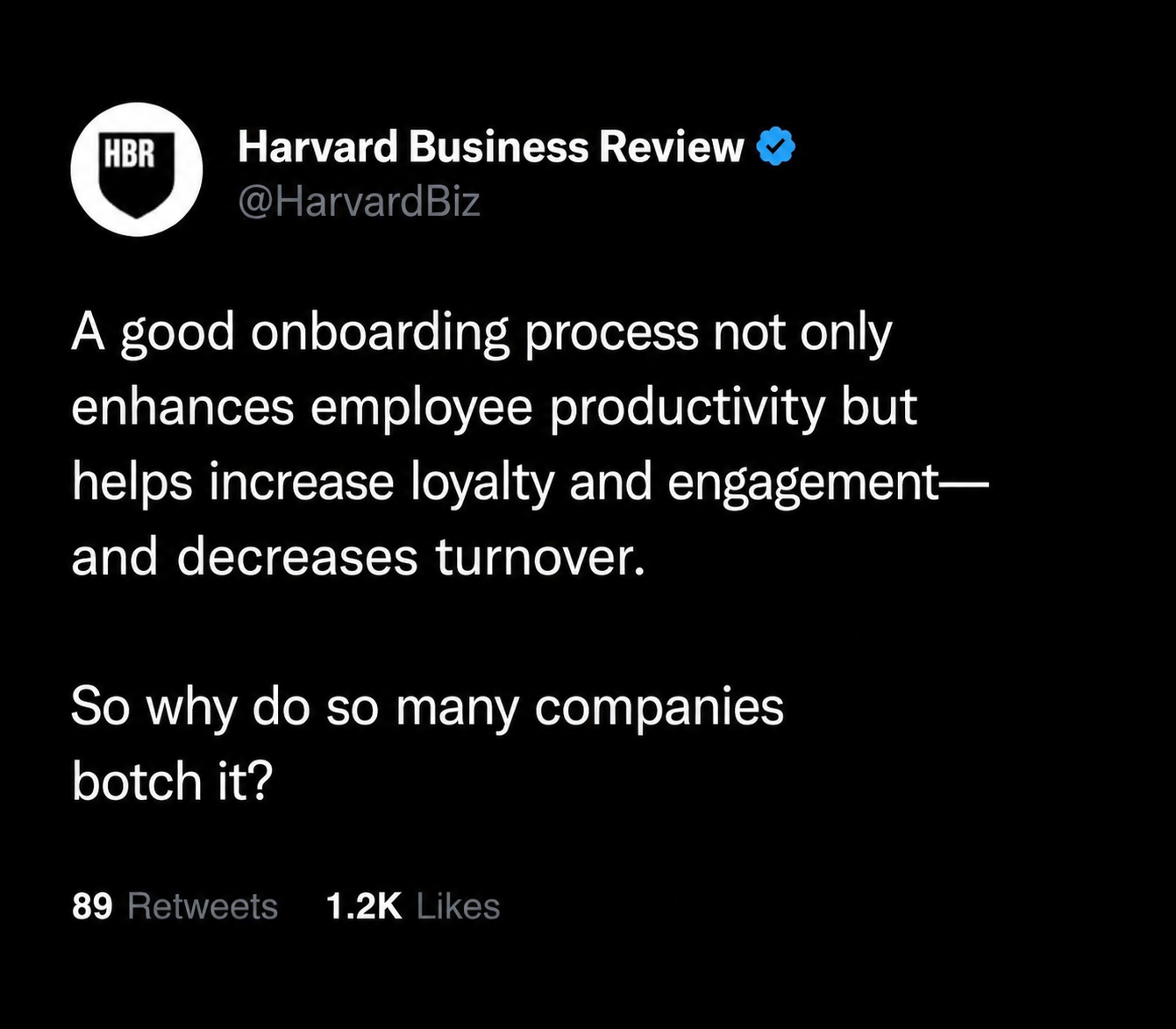
They were afraid of the onboarding process.
Not because they didn’t care.
Not because they weren’t committed.
Because they believed onboarding would become an audit.
They assumed they would spend weeks explaining everything that hadn’t been done.
They worried consultants would uncover deficiencies.
They worried they would be judged.
They worried they would pay for consulting services only to discover they had purchased even more work for themselves.
In fact, before onboarding even began, they attempted to identify every potential issue they thought we might discover.
Like many organizations, they wanted to get all of the perceived problems out on the table immediately.
Unfortunately, that conversation wasn’t helping move the organization forward.
It was keeping them focused on the past.
We are not auditors. We are builders.
Why Traditional Onboarding Feels Like an Investigation
Most consultants pattern their onboarding process after the traditional employer-employee interview model.
The consultant asks a series of questions designed to identify weaknesses, gaps, risks, deficiencies, and operational failures.
The underlying assumption is often that the consultant must first determine what is wrong before they can determine what is possible.
As a result, onboarding can begin to feel less like a strategy session and more like an investigation.
Most organizations already know what isn’t working.
They don’t need another consultant producing a report explaining what they already know.
They need a system that helps them move toward what they want to become.
L&R Press Insight
Most onboarding processes ask organizations to explain everything they’ve done wrong. L&R Press asks organizations what they want to build next.
The goal is not to understand why an organization failed yesterday. The goal is to help it succeed tomorrow.
The First Question We Ask
That philosophy shapes our entire onboarding experience.
Instead of beginning with a lengthy audit, we started with a simple question:
What do you want to accomplish over the next six months and the next twelve months?
That was it.
The onboarding process consisted of a brief goal-setting form that took approximately ten minutes to complete.
Afterward, we conducted a thirty-minute onboarding call to review the organization’s objectives and introduce their Mission Ladder.
The reaction was immediate.
One of the first comments we received was:
“Wait… we don’t have to do more work?”
The answer surprised them.
No.
The purpose of onboarding was not to investigate the past.
The purpose of onboarding was to build the future.
Most Consulting Firms Ask You to Explain Your Organization. We Ask You to Keep Running It.
This is where the L&R Press approach begins to look very different from traditional consulting.
Most consulting firms ask:
“Tell us everything about your organization.”
L&R Press asks:
Keep running your organization. We’ll learn from the conversations you’re already having.
That distinction may sound subtle, but it fundamentally changes the client experience.
Many organizations assume they will need to spend weeks educating consultants about every aspect of their business.
They expect lengthy questionnaires, document requests, interviews, audits, internal reviews, additional meetings, and additional work.
Instead, L&R Press is designed to learn from the work organizations are already doing.
Why Meeting Transcripts Changed Everything
Approximately 90 percent of the information we use to support clients comes from meeting transcripts.
Not special meetings created for consultants.
Not lengthy onboarding sessions.
Not investigative interviews.
The meetings organizations were already planning to have anyway.
- Board meetings
- Leadership meetings
- Staff meetings
- Planning sessions
- Partnership discussions
- Strategy calls
Clients simply continue operating their organization while providing transcripts from conversations they were already having.
The more conversations we understand, the more effectively we can support the organization’s goals.
This creates an entirely different relationship between consultant and client.
Rather than asking organizations to stop what they’re doing and explain every detail of their operation, we learn from the discussions that naturally occur as leaders work through challenges and opportunities.
Turning Questions Into Actionable Intelligence
For example, imagine a board member asks during a meeting:
“What types of financing could we qualify for?”
That question immediately becomes actionable intelligence.
The opportunity is identified.
Research can begin.
Funding pathways can be evaluated.
Mission priorities can be updated.
Recommendations can be developed.
In many cases, the organization receives answers without having to submit a formal request.
The remaining 10 percent of information comes directly from clients on a voluntary basis.
Organizations may choose to upload strategic plans, budgets, grant opportunities, financial information, partnership agreements, or supporting documents.
Additional information is always welcome because it helps us move faster.
But it is not required.
The goal is to reduce administrative burden, not increase it.
The Mission Ladder Becomes the Roadmap
As a result, clients often describe the experience as having an executive strategy team quietly working in the background while they continue focusing on their mission.
The organization keeps moving.
The Mission Ladder keeps evolving.
The strategy keeps improving.
And opportunities continue surfacing in real time.
That is why one of the most common reactions we hear after onboarding is:
“Wait… we don’t have to do more work?”
The answer is simple.
No.
You keep building your organization.
We focus on helping you build its future.
Once the organization identified its goals, L&R Press translated those goals into a Mission Ladder.
From there, our team began developing strategies, identifying opportunities, structuring priorities, and coordinating execution.
The client continued operating normally.
Meetings continued.
Conversations continued.
Ideas continued.
The difference was that those discussions now had a place to go.
As information emerged through meetings, discussions, and strategic conversations, the Mission Ladder updated automatically.
New priorities appeared.
Action items evolved.
Strategies became more refined.
The roadmap became clearer.
No lengthy audit was required.
No blame was assigned.
No one was asked to spend weeks documenting historical shortcomings.
Instead, the organization focused on where it wanted to go.
The purpose of onboarding is not to investigate the past. The purpose of onboarding is to build the future.
99 Percent Focused on the Future
That distinction matters.
Because approximately 99 percent of our onboarding process is focused on goals, opportunities, execution, funding, partnerships, and growth.
We are far more interested in what an organization wants to build than what it failed to accomplish years ago.
As we often tell clients:
“Most onboarding processes ask organizations to explain everything they’ve done wrong. L&R Press asks organizations what they want to build next.”
And perhaps most importantly:
“The goal isn’t to understand why you failed yesterday. The goal is to help you succeed tomorrow.”
We don’t have time to dwell on what’s not working.
Our experience has shown that many operational challenges begin disappearing naturally once better systems, better accountability structures, and better execution frameworks are put in place.
The future is more important than the past.
Execution is more important than explanation.
Momentum is more important than blame.
From Dormant Organization to Active Opportunity Pipeline
Within weeks, the organization had reestablished momentum.
Governance initiatives were underway.
Board development efforts had begun.
Strategic opportunities were being evaluated.
New partnerships were being discussed.
Funding pathways were emerging.
The organization that had been dormant for nearly two years suddenly had a clear path forward.
Within the first month of engagement, conversations had already shifted toward opportunities that would have seemed out of reach just weeks earlier.
The greatest outcome wasn’t simply operational progress.
It was peace of mind.
The founders no longer felt overwhelmed by an endless list of unfinished tasks.
They had clarity.
They had priorities.
They had direction.
Every goal had a mission.
Every mission had a strategy.
Every strategy had next steps.
And every next step moved them closer to the organization they originally set out to build.
What Onboarding Should Feel Like
That is what onboarding should feel like.
Not an audit.
Not an interrogation.
Not a report card.
A starting line.
A roadmap.
And a clear path toward the future.
Because organizations don’t need another consultant telling them what went wrong yesterday.
They need a partner helping them build what comes next.
About L&R Press
L&R Press builds operational intelligence systems, client portals, Mission Ladder frameworks, and execution infrastructure for nonprofits, startups, public agencies, and community-impact organizations.
Our philosophy is simple: Human Care. Supported by Artificial Intelligence.
What’s Next
Keep running your organization. We’ll help build what comes next.
L&R Press helps organizations turn conversations into execution through human-led onboarding, AI-supported strategy, and Mission Ladder accountability systems.
Start Your Mission Ladder