EXECUTIVE EDITORIAL
COMMUNITY & REENTRY · OAKLAND
Oscar Grant Jr. Came Home With a Mission. Now Comes the Work of Building It.
After 35 years in prison and the loss of his son, Oscar Grant Jr. is building a mission rooted in family and community. What would it take to turn the work into something that lasts?
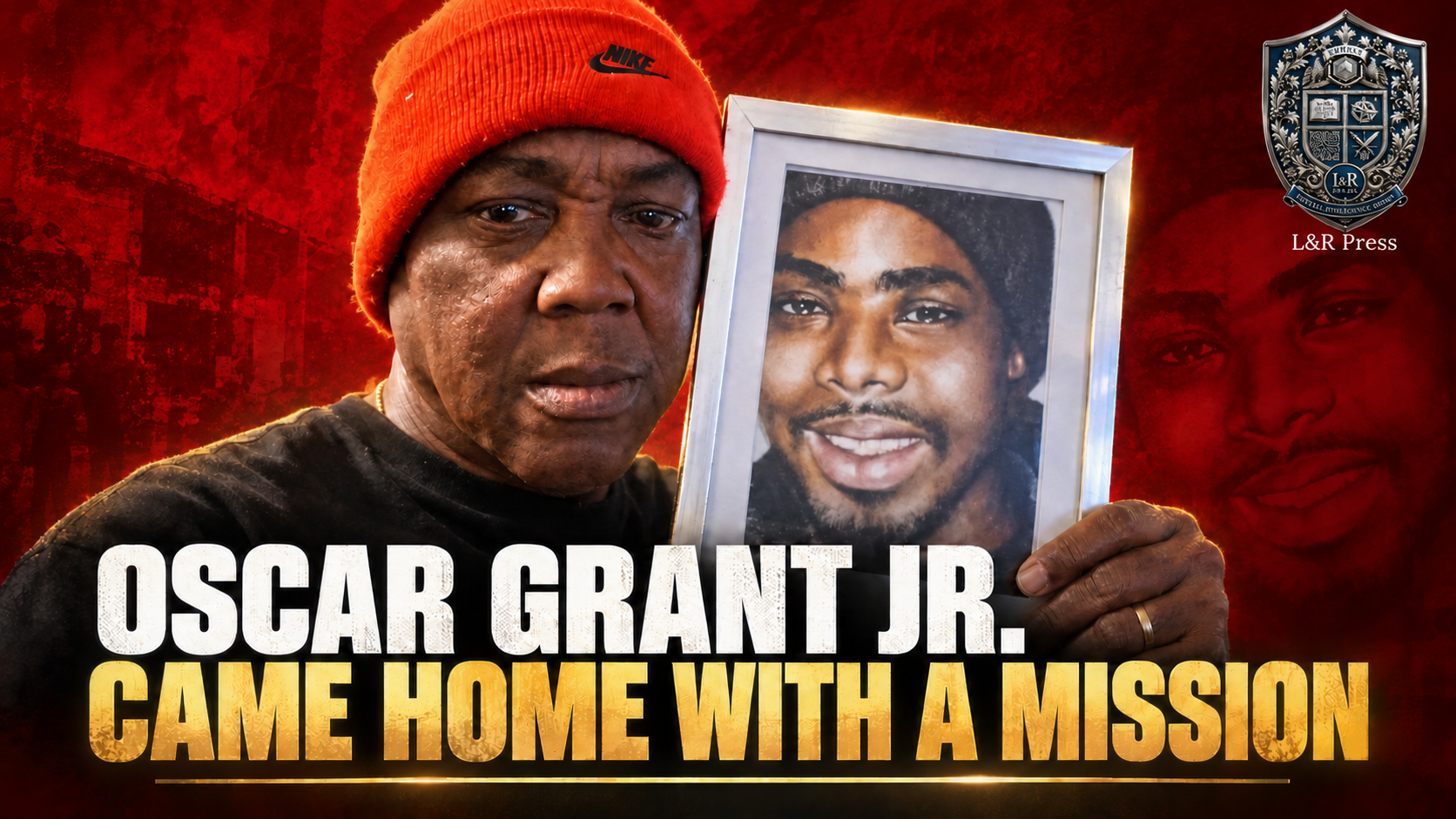
Oscar Grant Jr. was serving a life sentence before his son, Oscar Grant III, was born. Prison did not keep him from raising his son. Frequent visits and constant phone calls allowed Oscar to be a father in the ways available to a man facing a life sentence.
On New Year’s Day 2009, a BART police officer shot and killed Oscar III at Fruitvale Station in Oakland. The country came to know the young man’s name. His father had to mourn him from behind prison walls.
Oscar says communication with his wife, Oscar III’s mother, diminished as lawsuits and discussions about their son’s death moved forward. His role as a father was often absent from the public story. People told Oscar they thought he was dead, no longer married, or had never helped raise his son. Yet that last assumption could not have been further from the truth: he had spent years finding ways to be present from prison. At the moment his son’s life was being remembered before the world, Oscar felt erased from it.
After 35 years, Oscar’s life sentence was overturned. As a result of his lived experience, today, he is building a way to help other people returning from prison reconnect with their families and find a stable place in their communities. The Two Lives of Oscar Grant describes that mission through housing, employment, family reunification, mentorship, and community support.
The work began before there was a complete system
Upon his release, Oscar began working with Rudy Corpuz Jr., the founder of United Playaz. The San Francisco organization brings together people with lived experience of incarceration and street violence to mentor young people, prevent violence, and support their communities. Its motto is “It takes the hood to save the hood.”
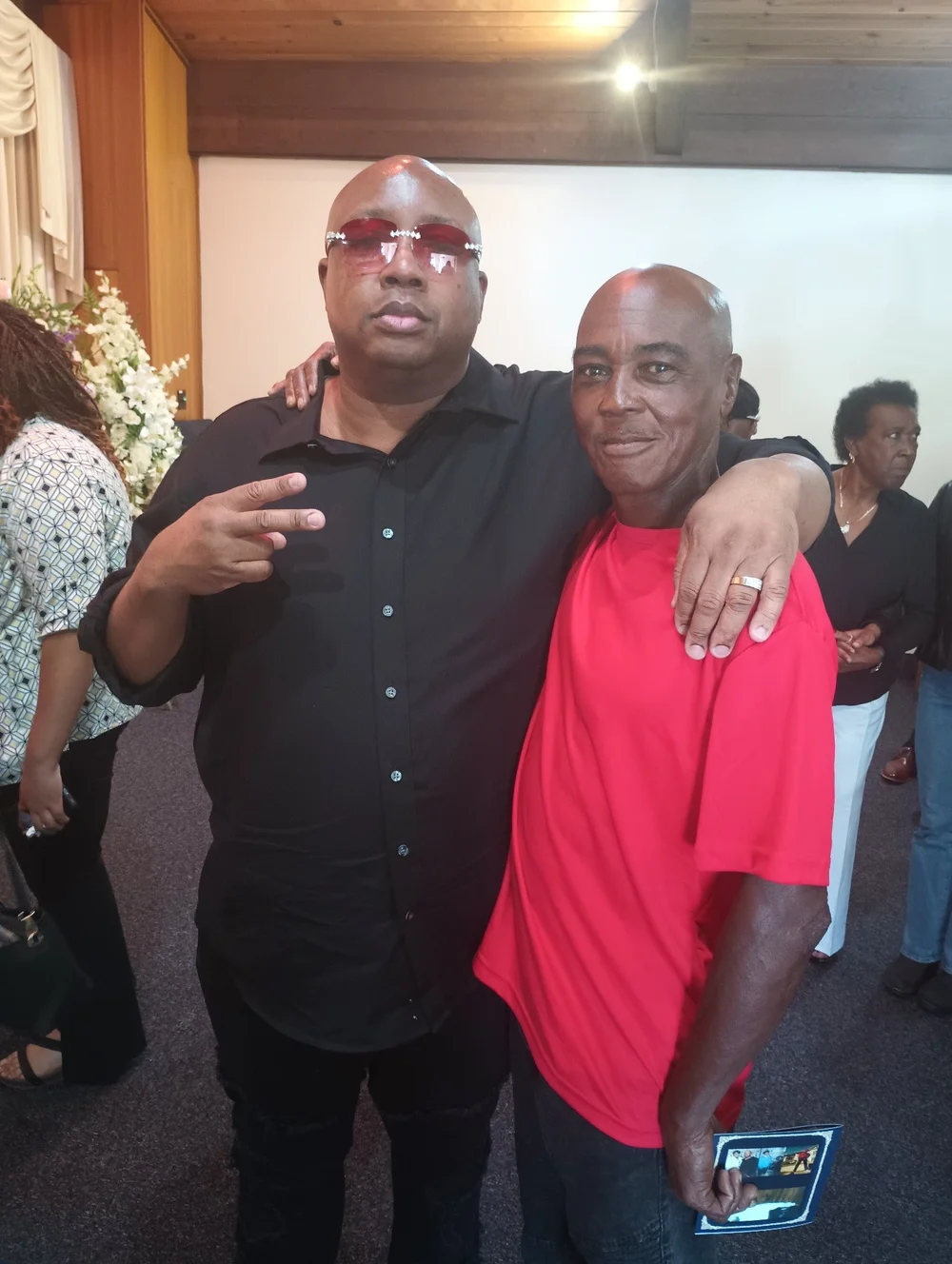
Oscar says Rudy was the first person to put the idea of starting a nonprofit in his ear. Oscar had a story that people knew, but Rudy saw that he could use his experience to help people facing the same barriers he had encountered.
Oscar then began working with Pastor Raymond E. Lankford in his hometown of Oakland, California. Pastor Lankford had long been involved in Alameda County’s reentry efforts: he helped develop the county’s adult reentry strategy and co-founded Healthy Communities, which connected returning residents and other underserved people to health care and support. Oscar’s work with him included handing out food to neighbors who needed it.
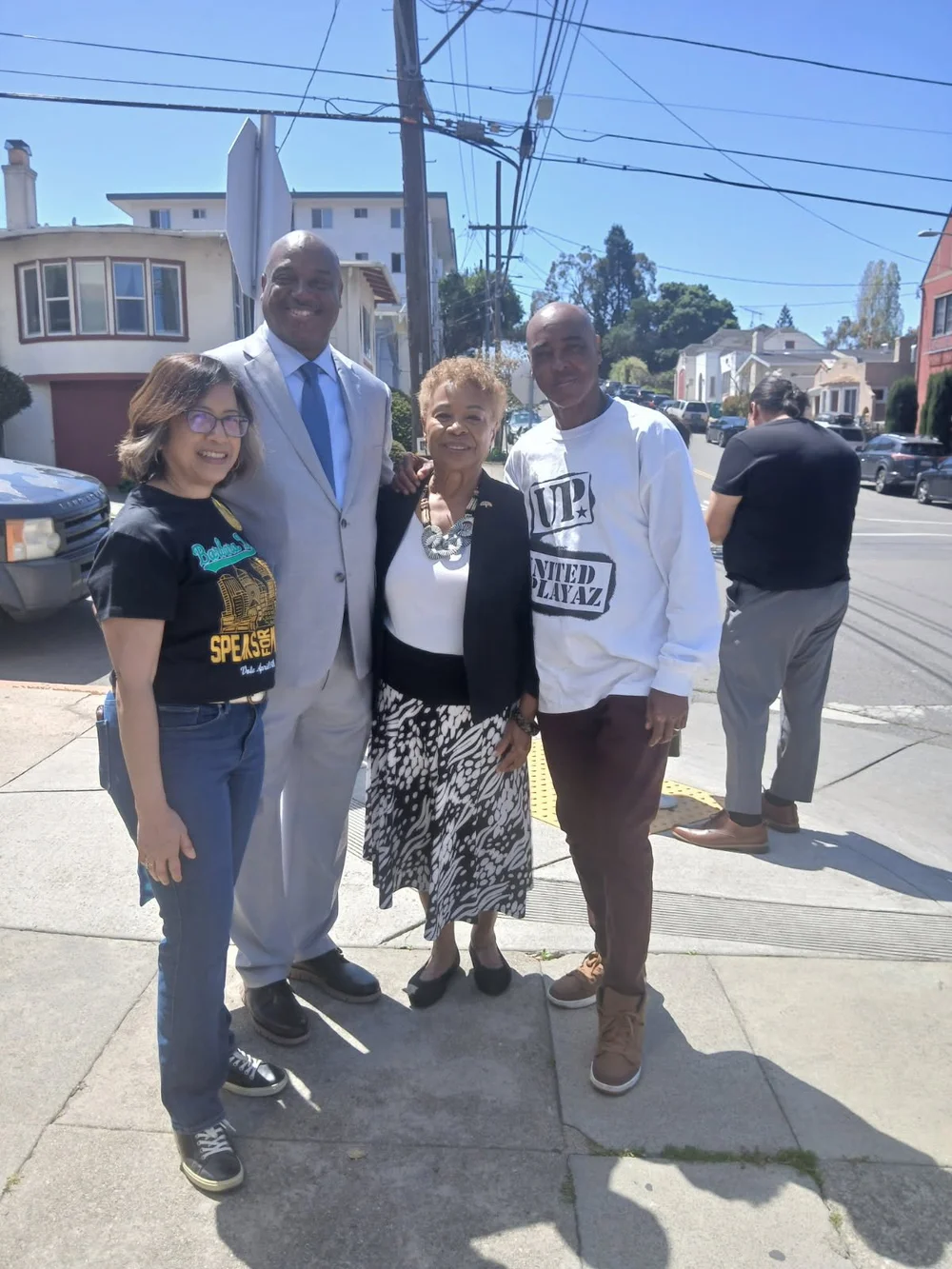
From there, Oscar joined other returning citizens in cleaning Oakland streets and overpasses. That work brought him into direct contact with Mayor Barbara Lee’s office, and he has worked closely with the office on several street cleanup projects. Each experience gave him a clearer view of what people needed when they came home: immediate help, trusted relationships, and opportunities to contribute.
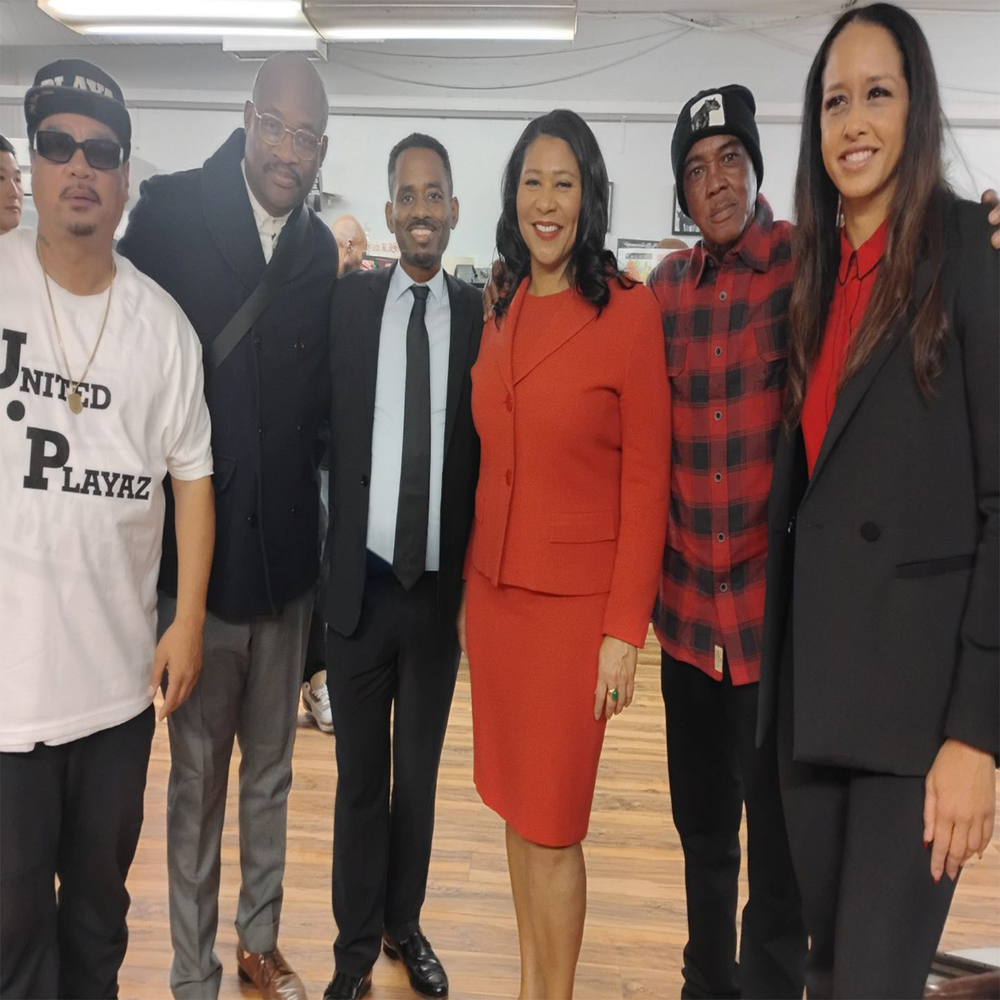
Oscar has a story people want to hear
People began asking Oscar to speak with young people and community groups in Oakland. They told him that his story of perseverance, triumph, and redemption deserved to be heard beyond the Bay Area. Some asked whether he would write a book or make a documentary about his life.
Oscar also had to decide where to focus his efforts. Building local initiatives had been difficult with limited financial support. At the same time, interest in a graphic novel and documentary about his life, his son, and his return home continued to grow.
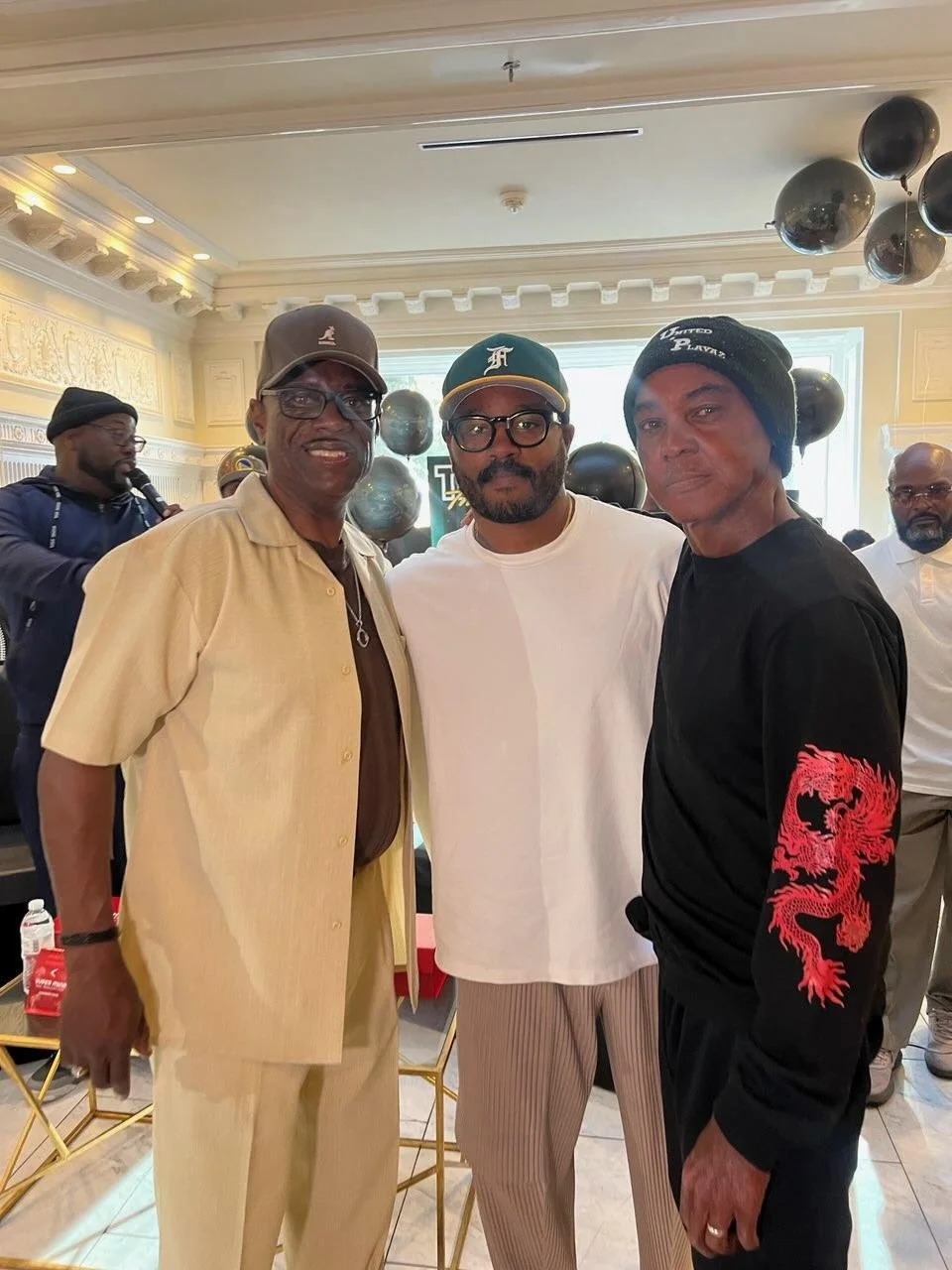
He began assembling a team to create The Two Lives of Oscar Grant, a graphic novel that will tell a story beginning long before Oscar III’s death and continuing after Oscar Jr.’s release. Oscar plans to base the documentary on the graphic novel. The need to raise production funds has delayed both projects.
Oscar hopes to release the graphic novel on his son’s birthday, February 27, 2027, and the documentary on February 27, 2028. Those are his goals, contingent on securing the funding to finish the work. Both projects would allow him to share parts of his story that have rarely been heard in his own voice.
He also hopes they will introduce more people to the reentry work he wants to build. Oscar believes that someone who understands his experience as an incarcerated father may better understand why family contact, housing, and employment matter when a parent comes home from prison.
What would it take to help a father come home?
Oscar wants fathers returning from prison to have a better chance of rebuilding their relationships with their children. A father cannot easily show up for his family if he has nowhere to live, no way to get to work, and no one to call when an urgent problem arises.
The initiatives Oscar has proposed address those needs:
- Housing assistance: Reserve a share of affordable housing opportunities for people returning from incarceration and their families.
- Basic support during the first year: Provide help with housing, transportation, and utilities while people establish themselves.
- Employment access: Give returning residents priority consideration in state workforce programs.
- A statewide reentry hotline: Connect callers with emergency housing, financial aid, legal services, and other resources around the clock.
These are proposals, not benefits currently guaranteed to returning residents. Making them work would require partners, funding, eligibility rules, and people responsible for delivering the services.
California’s policies can make it harder for a father to support his family when he comes home. Voters rejected Proposition 6 in 2024, leaving in place the constitutional exception that permits involuntary servitude as punishment for a crime. Many people working in California prisons earn less than $1 an hour, leaving them with little income from that work to put toward housing, transportation, or their children’s needs after release. Proposition 36 then raises the stakes for certain repeat theft and drug offenses by allowing longer sentences. A father who steals while trying to meet his family’s immediate needs may face more time away from them, while a repeat drug offense can also carry serious penalties. For Oscar, these policies show why fathers need a realistic path to housing, work, and family stability when they return home.
The state’s estimated average annual cost of incarcerating one person is approximately $127,800 for 2025–26. That figure is an average cost, not the amount the state would automatically save if one person avoided returning to prison. It does, however, show the scale of public resources involved. Oscar believes some of that commitment should also go toward helping people find work, maintain housing, and reconnect with their families.
The vision reaches beyond a book or film
Oscar hopes to build a youth center in Oakland honoring both his son’s legacy and their shared name. He envisions a place where disconnected young people can find education, help securing stable housing, and job training.
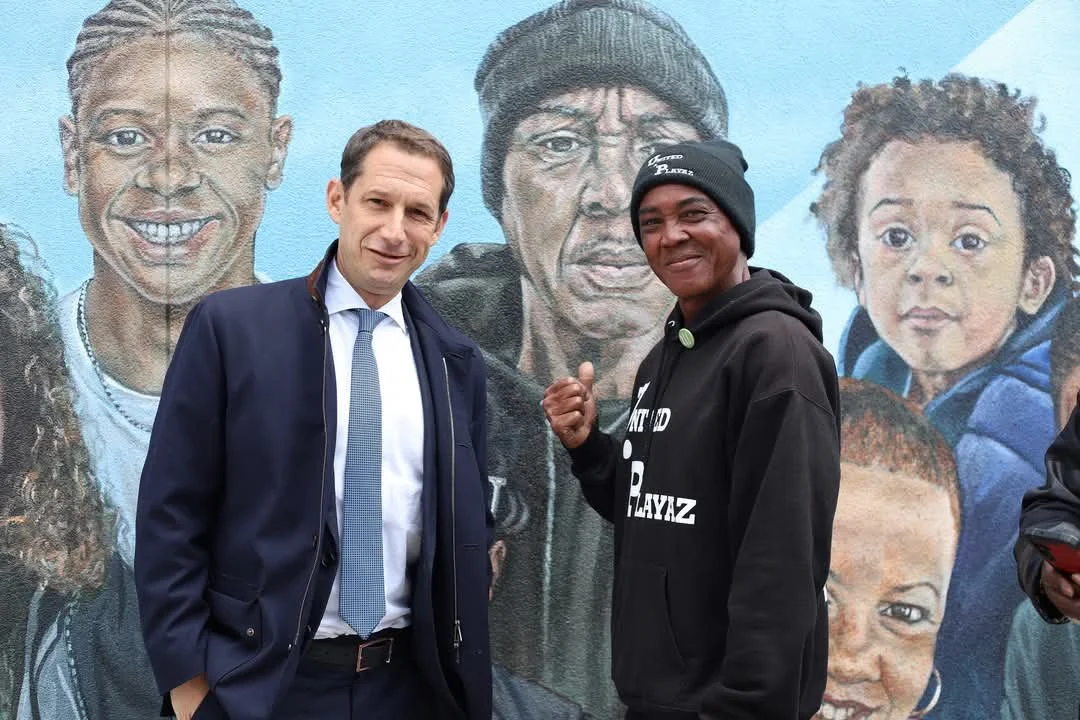
He is also expected to be a leading partner in the planned 2027 development of the ReConnect Reentry Support Services application, which aims to help people find support as they return to their communities.
Those plans will need more than a compelling story. A youth center needs a site, funding, staff, and programs young people can count on. An application needs reliable resources and people prepared to help when a listing alone is not enough. Oscar has begun the community work. The next challenge is bringing together the partners who can help it grow.
If Oscar can begin, what could you build?
Oscar began with the people in front of him: young people to mentor, neighbors who needed food, and returning residents ready to work. Rudy Corpuz Jr. encouraged him to start a nonprofit. Pastor Lankford brought him into work that met immediate needs. Oscar carried those lessons into the streets of Oakland.
Now he is asking what it will take to bring his graphic novel and documentary to audiences and build lasting support for fathers returning home. If you are a business owner or investor with the resources to act, you can help Oscar move that work forward. You can also look at a need in your own community and decide to do something about it.
Either choice takes more than good intentions. It takes people who can turn an idea into a plan, assemble a team, and keep the work moving.